
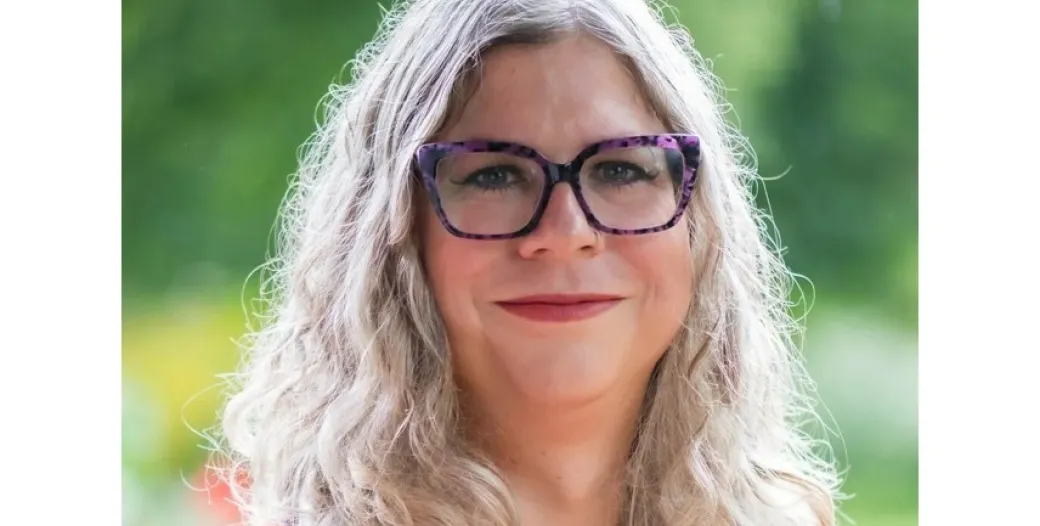
Teagan Bradway Hurst Workshop - "How to Make Queer Kin"
Chosen families, found families, drag families, friendsgivings, mentors, besties, squads, polycules, companion animals—all of these are examples of queer kinship that have become increasingly visible in popular culture and everyday life. Yet queer kinships continue to be misunderstood, misrecognized, or dismissed as insignificant when compared to the “real” bonds of the traditional heteropatriarchal family. In this workshop, we will reflect on the relational forms that sustain queer kinships in the absence of social recognition. We will begin with a brief introduction to the key concepts in queer kinship theory. In particular, we will theorize why narrative is especially important to kinship. (Think, for example, of the famous nursery rhyme: first comes love, then comes marriage, then comes baby in the baby carriage). We will then consider how queer kinship narratives can unlock new trajectories for intimacy and attachment to follow. For help, we will turn to two contemporary queer and nonbinary poets of color, Renee Gladman and Danez Smith, who innovate new forms to represent the ordinary practices of care that keep queer kinships alive. Inspired by their examples, participants will then be invited to create a micro-narrative about a vital yet under-appreciated queer kinship in their own lives. No prior experience with queer theory or LGBTQ+ literature is required. As the workshop will show, queer kinship is for anyone, not only queer-identified people.