
The Fairy Tale War: The Rise of "Here and Now" Picturebooks in the Wake of the Golden Age
When you think of children’s picturebooks, what comes to mind? Genteel women weaving sweet stories about fairies and lambs while taking their tea? If so, you are in for a surprise. The picturebook was at the epicenter of one of the most clamorous controversies in the children’s literary world, known today as the Fairy Tale War. In the early 20th century, powerful New York City children’s librarian Anne Carroll Moore, who much preferred the fairy tales of the Golden Age, publicly clashed with progressive pedagogue and author Lucy Sprague Mitchell who argued that children’s books should center not on the faraway and fantastical, but on the modern child’s “here and now”. Their debate shook up the industry and seeded the picturebook canon with ideas still vital to creators today.
The early 20th century brought an erosion of Victorian innocence and challenges, particularly for the urban child, for which Moore believed fairy tales and nursery rhymes would provide a much needed escape—poverty, urban crowding, the threat of world war, and, for newly immigrated children, the formidable challenge of integrating into a new, often unwelcoming, culture. “Never has it seemed so important,” stressed Moore, “that the imagination of children be fed with pictures which have in them elements of security in family relationships and of beauty and wonder in the natural world”. However, Mitchell—founder of then new progressive and experimental Bank Street School for Children— argued that fairy tales contained concepts too foreign for children and situations, often involving jealous queens or exploitative kings, too abstracted from modern realities. Mitchell quips, “it is only the jaded adult mind, afraid to trust the children’s own fresh springs of imagination, that feels for children the need of the stimulus of magic” (25).
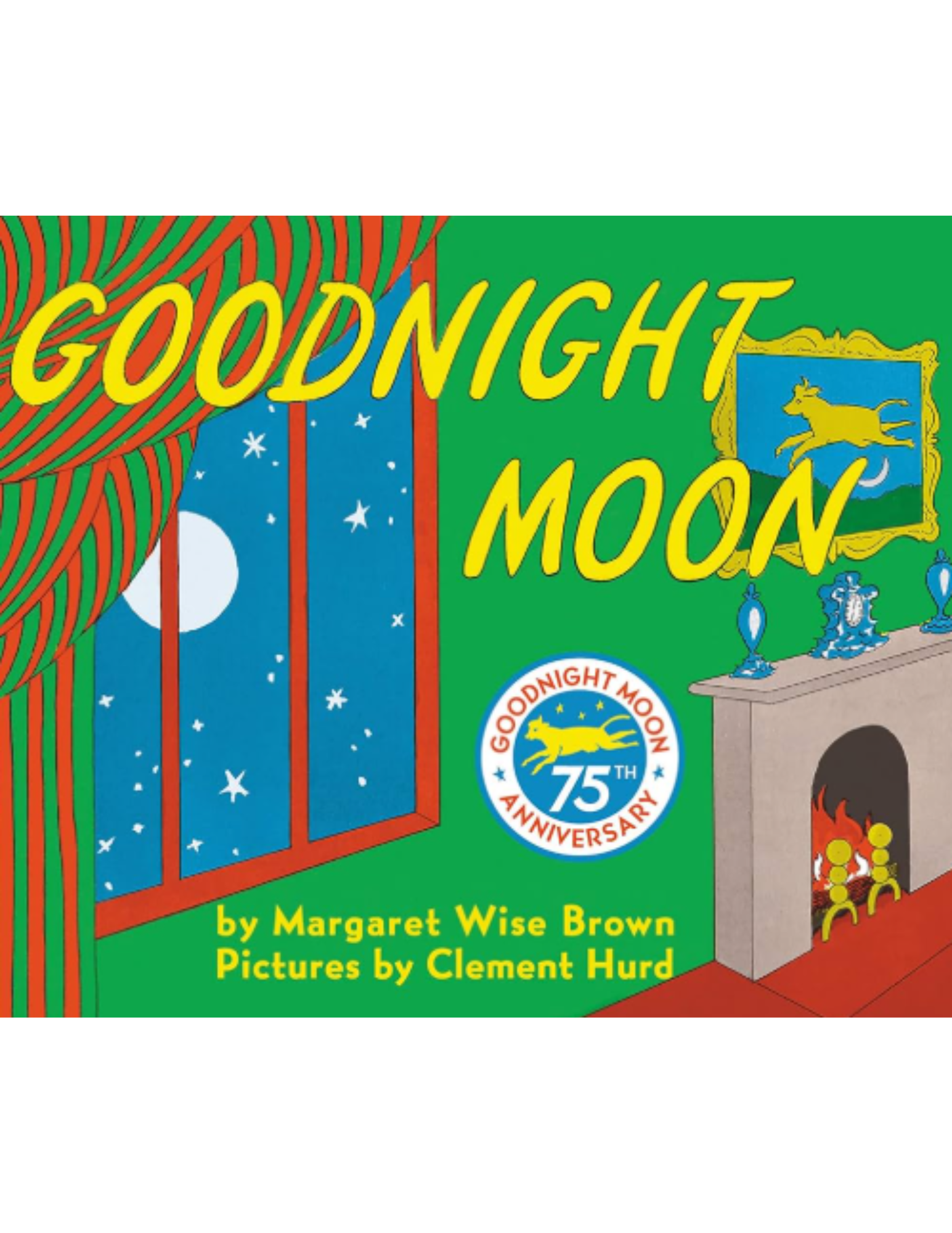
In the Bank Street writer’s lab, children’s authors gave shape to Mitchell’s here and now pedagogy, crafting stories that eschewed fantasy in favor of relatively plotless meditations on contemporary, often urban, life and celebrations of the mundane objects and experiences of a child’s daily routine—firetrucks, trains, toys, food, socks, dogs, and the like. The high water mark of such efforts was the work of author Margaret Wise Brown, most notably Goodnight Moon (1947)—a lyrical list of ordinary objects found in a child’s bedroom—which Moore publicly snubbed—and the contributions of Bank Street Negro Scholarship recipient Ellen Tarry, which highlighted facets of the black urban experience. These books’ focus on lyricism and language play was particularly important given Mitchell’s belief that a here and now story “must be a world of sounds and smells and tastes and sights and feelings and contacts”. Many here and now books skillfully wove rhyme, rhythm, and repetition into their texts to ensure the resulting books offered rich sensory learning.
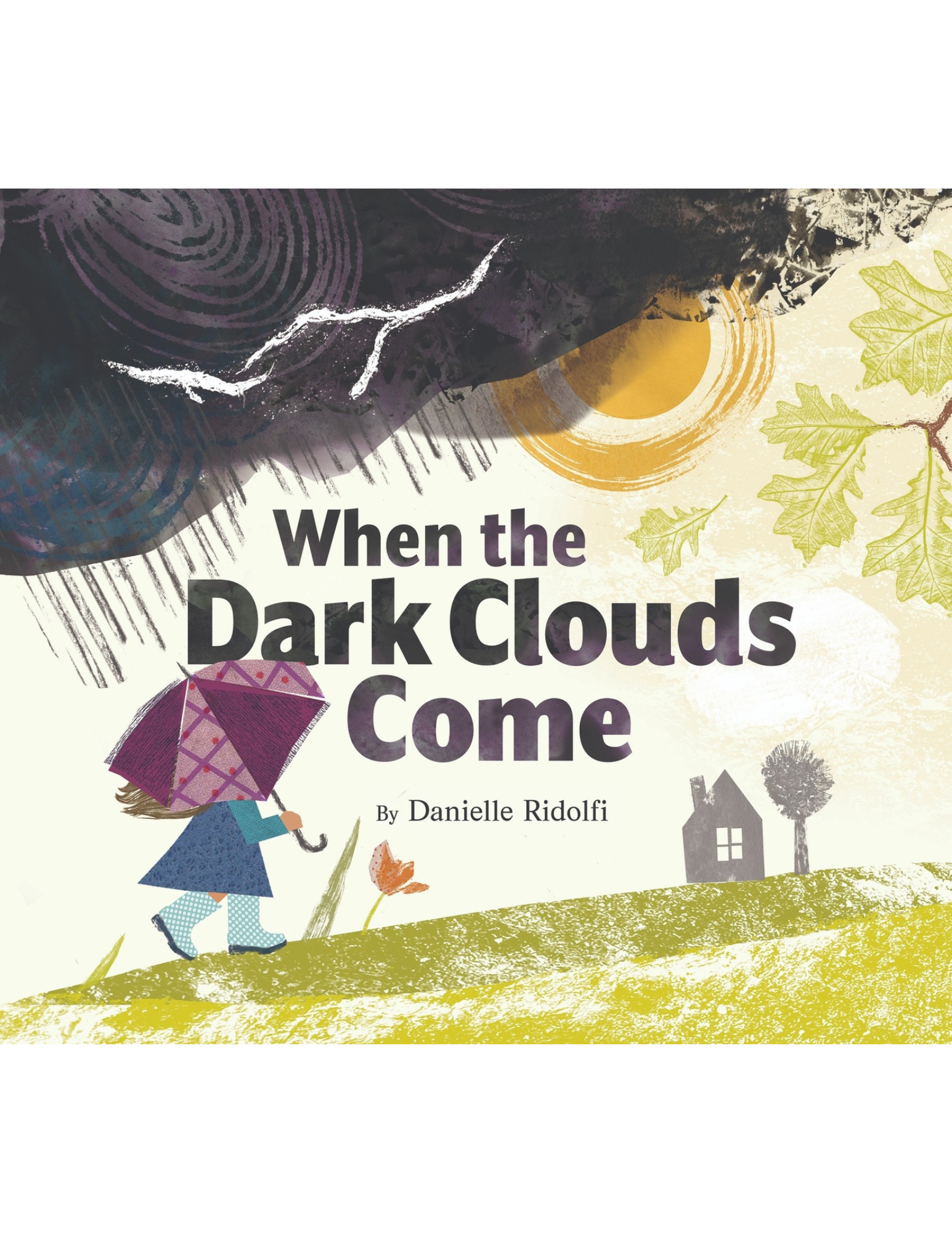
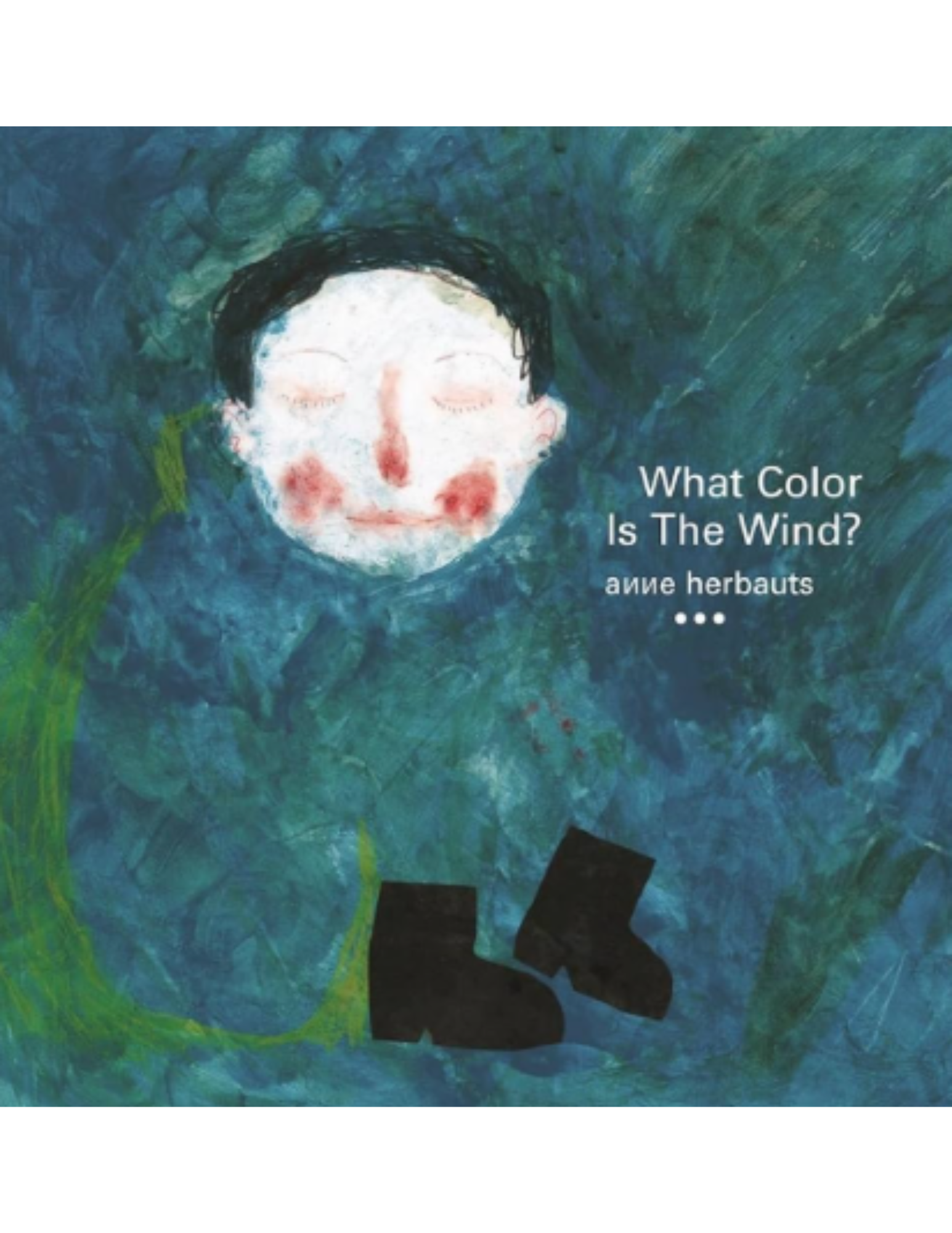
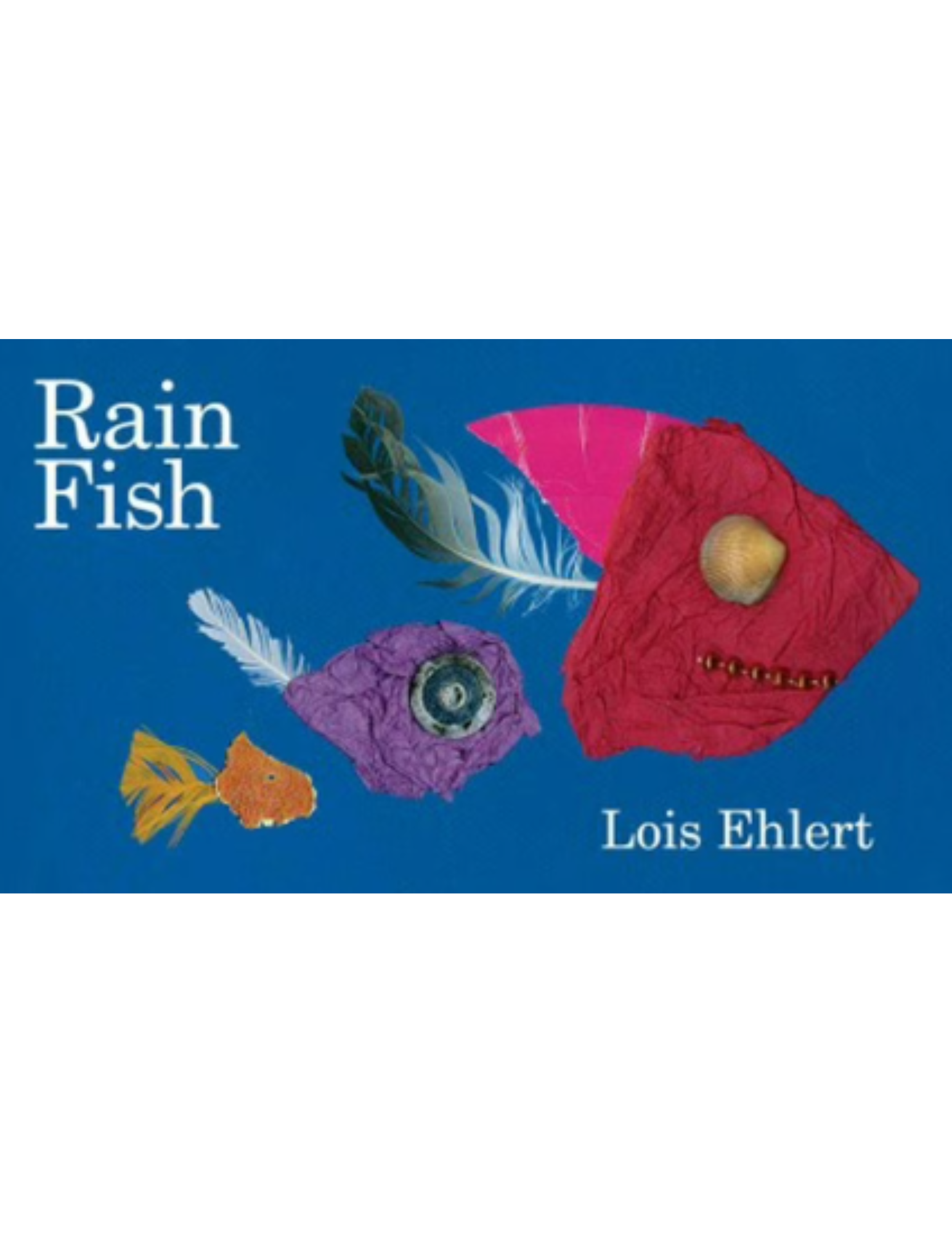
While Mitchell was skeptical about the benefit of illustrations in a here and now book, preferring to use language play to pictures, contemporary author-illustrators working in the tradition of the here and now story, have explored innovative solutions for how the illustrations themselves can add the sensory element that Mitchell so heartily advocated for. This collection, in addition to four original Bank Street here and now books, features three examples of contemporary picturebooks with here and now-style plots about weather. And their illustrations, filled with textured paper, tactile printing, and layered collages add another level of sensory engagement to their lyrical texts. Collectively, they demonstrate that illustration can play a vital role in keeping the reader focused on the here and now. Scholar Perry Nodelman remarks “the picture demands our attention” whispering to the viewer “don’t be concerned with what happens next, think about what is happening now, at this moment”. Much to Moore’s chagrin, here and now stories are here to stay, offering apt reminders, perhaps even more essential in today’s world of digital distractions and endless scrolling, to stay present.
Books on Shelf:
Margaret Wise Brown & Clement Hurd, Goodnight Moon, 1947.
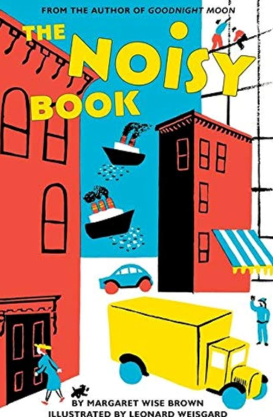
Margaret Wise Brown & Leonard Weisgard, The Noisy Book, 1939.
Margaret Wise Brown & Leonard Weisgard, The Important Book, 1949.
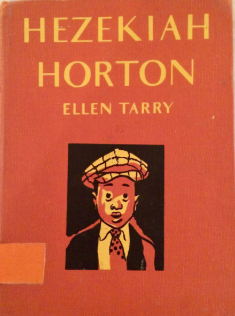
Ellen Tarry & Oliver Harrington, Hezekiah Horton, Macmillan Company, 1942.
Lois Ehlert, Rain Fish, 2016.
Anne Herbauts, What Color is the Wind, 2010
Danielle Ridolfi, When the Dark Clouds Come, 2025
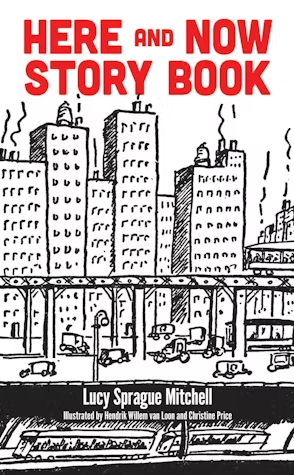
Scholarly addition: Lucy Sprague Mitchell, The Here and Now Storybook, 1921.
Scholarly Sources:
Perry Nodelman, Words About Pictures: The Narrative Art of Children’s Picture Books, The University of Georgia Press, 1988.
Lucy Sprague Mitchell, The Here and Now Storybook, E.P. Dutton & Company, 1921
Anne Carroll Moore, A Century of Kate Greenaway, Frederick Warne & Company, 1946.