The Children's Studies Bookshelf

The Children's Studies Bookshelf

About the Project

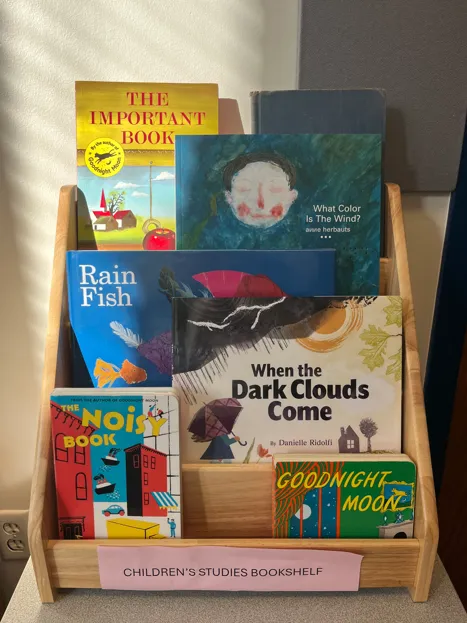
This project has been in the works for well over a year, and I am delighted to share our inaugural  Children’s Studies Bookshelf this month!  As the project continues, new Bookshelf collections will be available on this page, assembled by a series of guest curators whose areas of expertise reflect the interdisciplinary nature of the WashU Children’s Studies program. We will engage with the history of book production for children and teens, from its early days to the present, providing snapshots of different moments in that history across a variety of disciplines.

The concept of the “bookshelf” is an important one to Children’s Studies, reminding us of the powerful influence of ongoing reading experiences during the formative years.  While each book makes its contribution, no single book can do everything.  Children’s literature scholar Rudine Sims Bishop, in her landmark essay “Windows, Mirrors, and Sliding Glass Doors,” observes that “Books are sometimes windows, offering views of worlds that may be real or imagined, familiar or strange…. Literature transforms human experience and reflects it back to us, and in that reflection we can see our own lives and experiences as part of the larger human experience.” She concludes by stressing the need for a multiplicity of books, “ones that can act as both mirrors and windows for all our children.”  Author and illustrator Grace Lin, building on Bishop’s metaphor, agrees, asking parents and educators: “What is on your child’s bookshelf?”  The best bookshelves are diverse in all respects, offering different readers what they need at different times – affirmation or discovery, comfort or challenge - while broadening their worlds. Our Bookshelves, in turn, will showcase a range of scholarly views and perspectives, drawing from various fields and including both fiction and nonfiction.

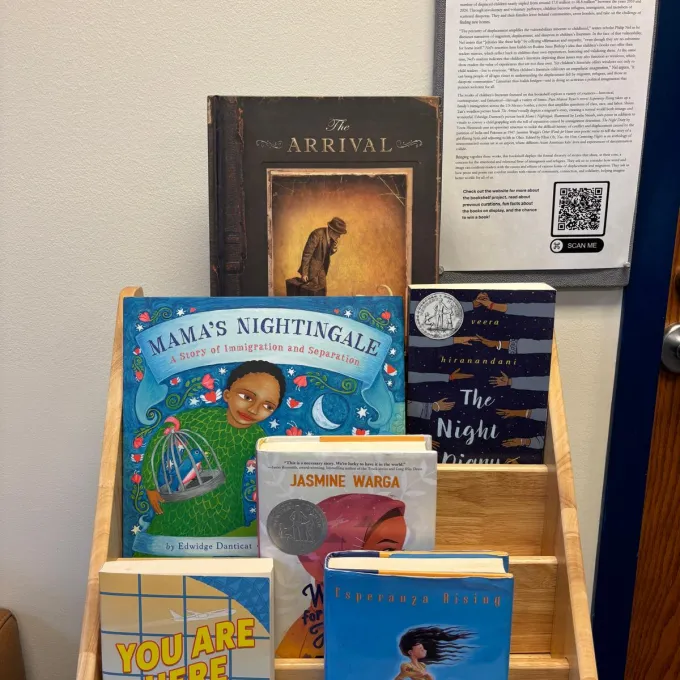
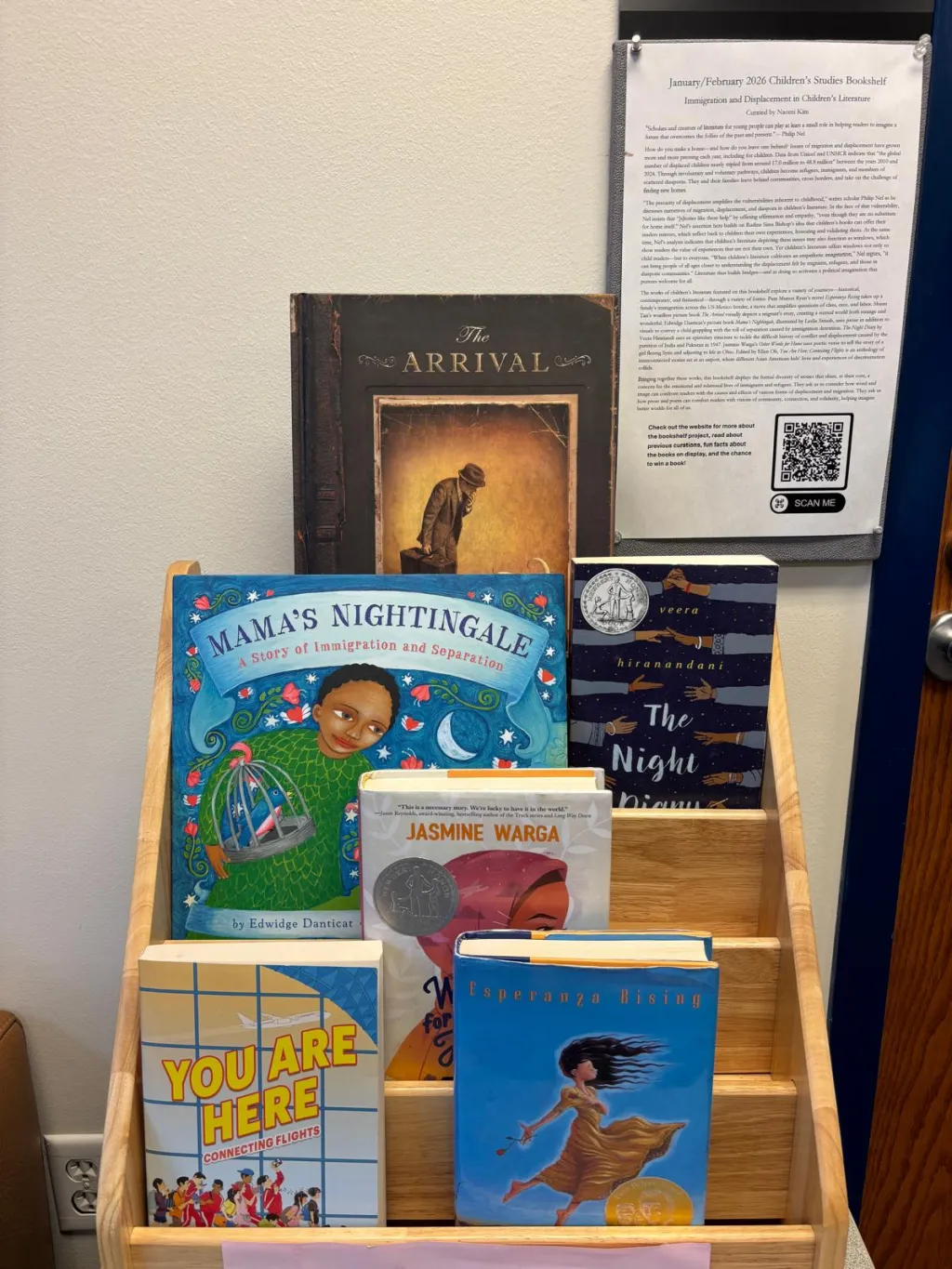
Inherent in the idea of the bookshelf is the promise of possibility: there is always another volume to reach for.  In our case, there is a literal bookshelf, housed in the English Department office; here, visitors are encouraged to reach for these texts and examine them, discovering the stories told by their physical presence as well as by their contents.  Is the text a gilded hardcover or a tattered paperback?  Are the pages the color of weak tea or are they a glossy white? What do the inscriptions on the inside cover tell us about the book’s genealogy of readers?  Has a child colored on its pages, pasted in a picture, or scrawled a response to a favorite passage or character? Pick one up - and find out!

                                                                                                                      Amy Pawl

                                                                                                                      Director, Children’s Studies

                                                                                                                      September, 2025

I would like to thank Abram Van Engen, chair of the English Department, and Hannah Ryan, the Children’s Studies Academic and Administrative coordinator, for making this project possible.
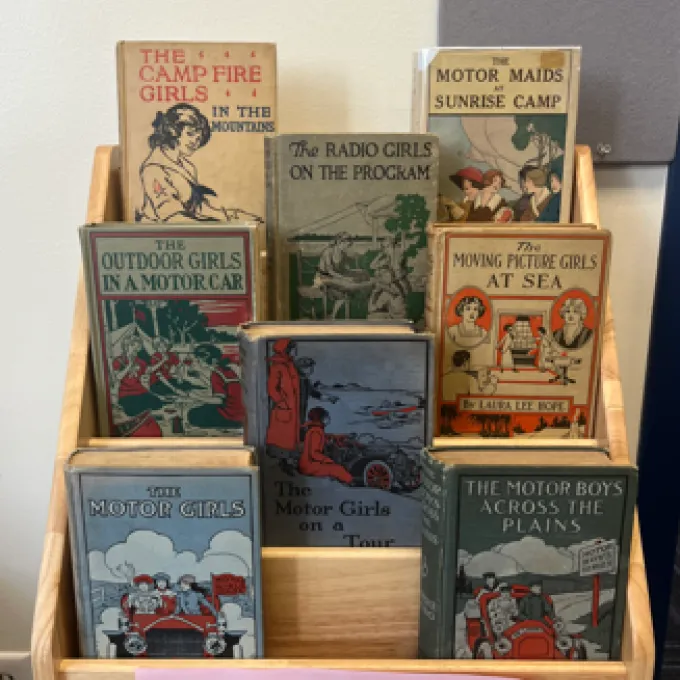
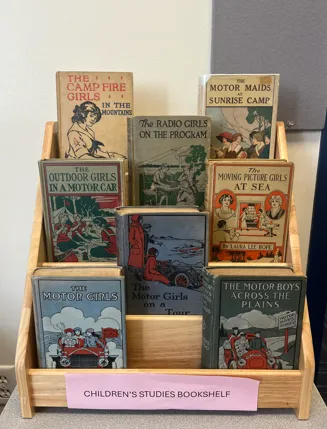
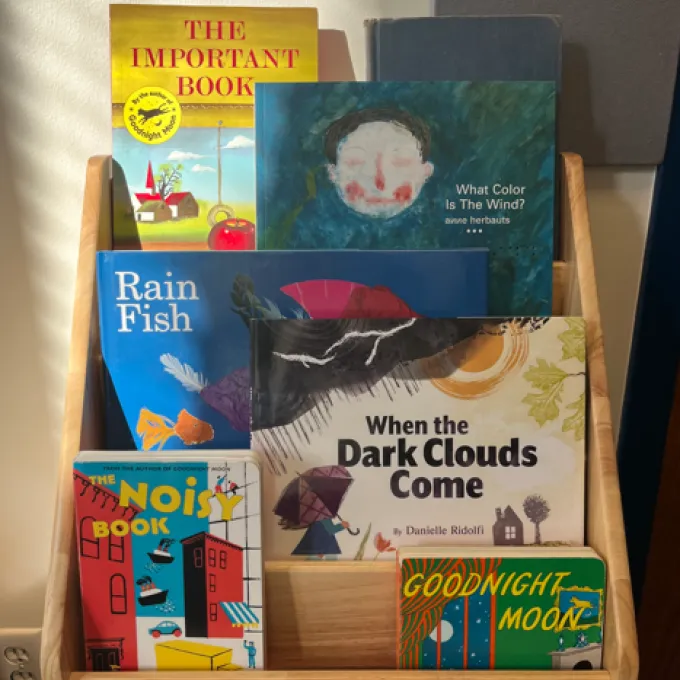
 

Bookshelf Available in English Office!

While this website serves as an online presence for the Children's Studies Bookshelf, all of the books you see here are available to browse and read in the English Office in Duncker Hall. Stop by and check it out!

March Children's Studies Bookshelf

Planting Stories: The Life of Librarian and Storyteller Pura Belpré

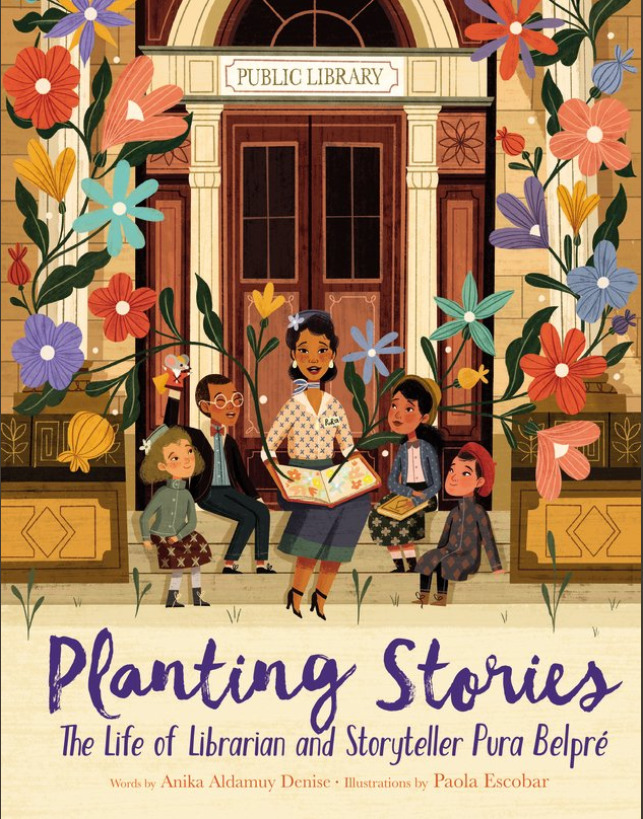
Learn about the librarian who started it all with this picture book biography about Pura Belpré. The narrative begins in 1921, the year Belpré moves to New York, and follows her journey to becoming a bilingual assistant at the public library. There she introduces the library’s visitors to Puerto Rican folktales during the children’s story hour, and the rest is history—a history that hopefully will only become more widely known thanks to books like this one.
-SF


Where Wonder Grows

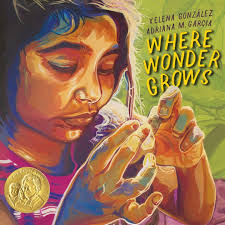
Where Wonder Grows celebrates ancestral knowledge that connects us to nature and each other. Three granddaughters follow their grandmother to her garden to learn from her wisdom. Together they gain a deeper appreciation for the rocks that hold stories about our ever-changing world and life itself. Garcia’s captivating illustrations beautifully complement González’s contemplative narrative.
-SF

Frizzy

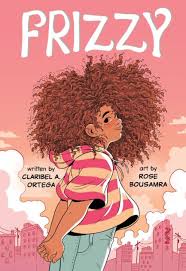
This middle-grade graphic novel tells a delightful story about self-love, empowerment, and family bonds. Marlene’s mother obsesses over taming her daughter’s curls and making her hair look “presentable” with weekly visits to the salon. But Marlene likes her curly hair and just wants to feel confident styling it however she wants. Marlene’s hair journey ends up encouraging her mother to face her own issues regarding her appearance and unlearn harmful beliefs that had been hurting them both.
-SF

Dancing Hands: How Teresa Carreño Played the Piano for President Lincoln

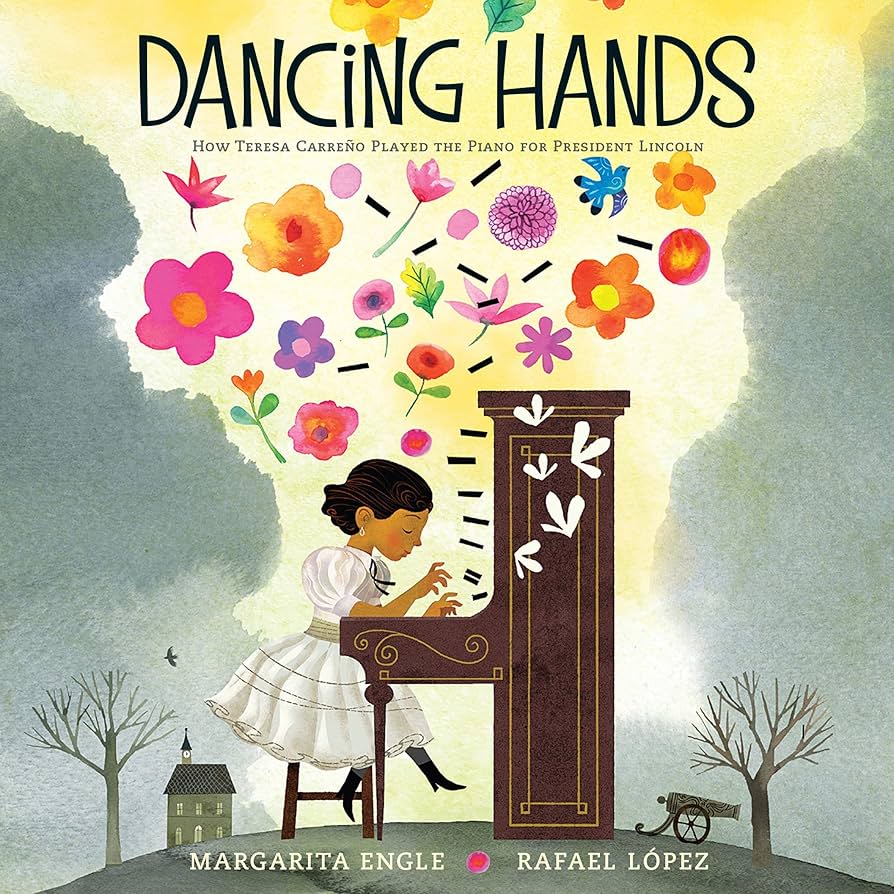
Margarita Engle has written several books about historical Latinx figures. In Dancing Hands, she introduces young readers to Teresa Carreño, a Venezuelan piano prodigy who gained fame for her compositions and performed throughout the world. Her family sought refuge from war in Venezuela, arriving in the United States in 1862. Soon after, as Dancing Hands’ subtitle indicates, she was invited to play piano for President Abraham Lincoln. Engle’s choice to highlight this particular episode of Carreño’s life provides young Latinx readers a chance to see their ethnic identity reflected within a period of American history where the presence of Latinx individuals often goes unacknowledged, especially in popular media. Rafael López’s enchanting illustrations elevate this already incredible tale, earning Dancing Hands a Belpré Award for Illustration.
-SF

Return to Sender

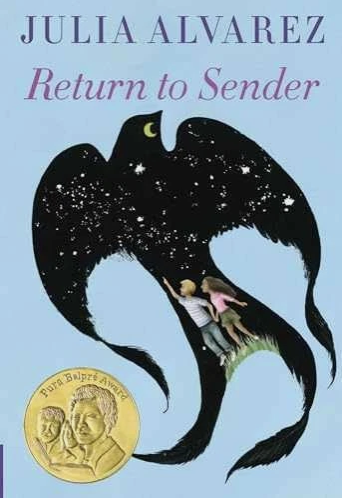
Julia Alvarez is well known for unflinchingly addressing contemporary social issues in her fiction for adults, but she also does the same in her middle-grade novel Return to Sender. Winning the Belpré Award for Narrative, Return to Sender tells a story about the friendship between Tyler, a young Anglo-American boy who lives on his family’s farm in Vermont, and Mari, the eldest daughter of the undocumented Mexican man that Tyler’s parents have hired to help work the farm. Both Tyler’s and Mari’s worldviews are challenged as their lives become increasingly intertwined in Alvarez’s moving novel.
-SF

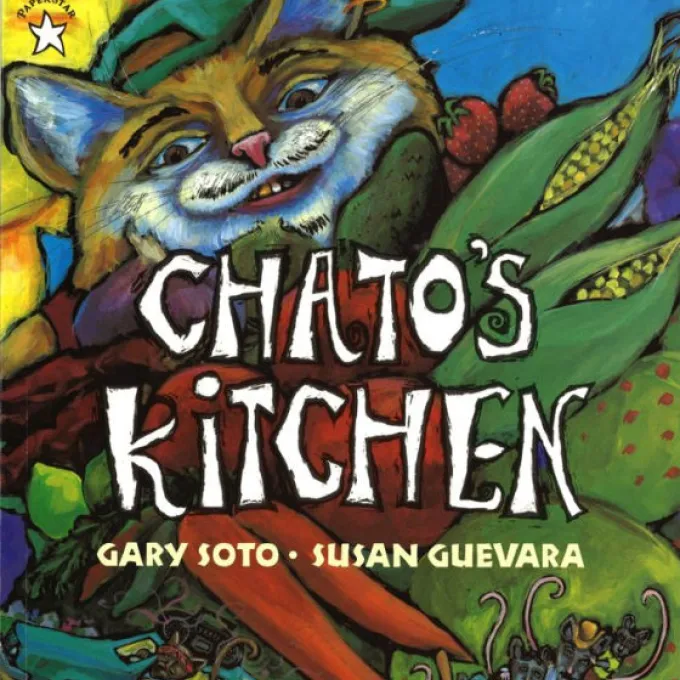
Chatos Kitchen

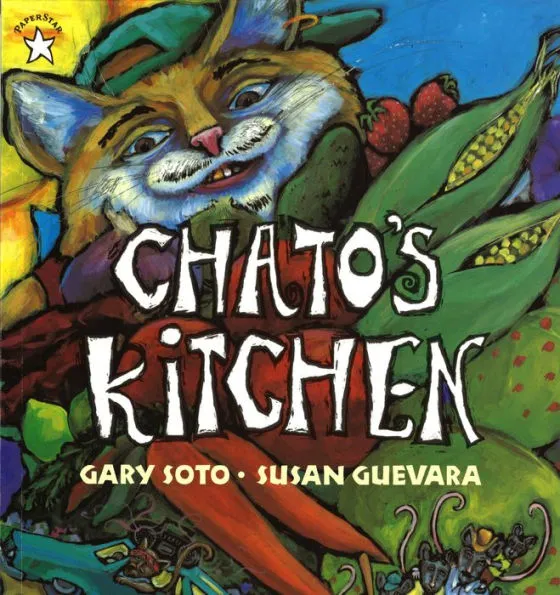
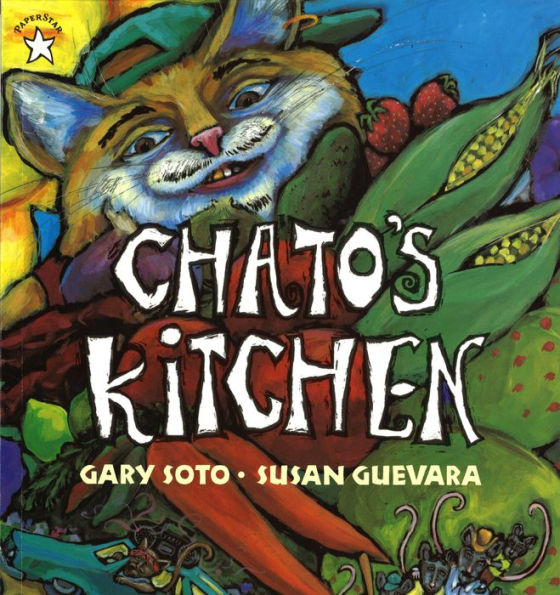
Set in East Los Angeles, Gary Soto’s whimsical tale follows Chato the cat’s attempt to have his new neighbors, a family of mice, for dinner. He invites them to a dinner party catered by himself and his fellow feline Novio Boy. The two cats think they have the perfect plan in place until the mice bring along an extra guest who just happens to be a dog. Susan Guevara’s illustrations bring out the aesthetics of East Los Angeles’s Mexican culture, from the animals’ outfits to the Mexican dishes that Chato and the other characters prepare. For her work, Chato’s Kitchen was the first book to win a Pura Belpré Award for Illustration
-SF

Planting Stories: The Life of Librarian and Storyteller Pura Belpré

Learn about the librarian who started it all with this picture book biography about Pura Belpré. The narrative begins in 1921, the year Belpré moves to New York, and follows her journey to becoming a bilingual assistant at the public library. There she introduces the library’s visitors to Puerto Rican folktales during the children’s story hour, and the rest is history—a history that hopefully will only become more widely known thanks to books like this one.
-SF

Where Wonder Grows

Where Wonder Grows celebrates ancestral knowledge that connects us to nature and each other. Three granddaughters follow their grandmother to her garden to learn from her wisdom. Together they gain a deeper appreciation for the rocks that hold stories about our ever-changing world and life itself. Garcia’s captivating illustrations beautifully complement González’s contemplative narrative.
-SF

Frizzy

This middle-grade graphic novel tells a delightful story about self-love, empowerment, and family bonds. Marlene’s mother obsesses over taming her daughter’s curls and making her hair look “presentable” with weekly visits to the salon. But Marlene likes her curly hair and just wants to feel confident styling it however she wants. Marlene’s hair journey ends up encouraging her mother to face her own issues regarding her appearance and unlearn harmful beliefs that had been hurting them both.
-SF

Dancing Hands: How Teresa Carreño Played the Piano for President Lincoln

Margarita Engle has written several books about historical Latinx figures. In Dancing Hands, she introduces young readers to Teresa Carreño, a Venezuelan piano prodigy who gained fame for her compositions and performed throughout the world. Her family sought refuge from war in Venezuela, arriving in the United States in 1862. Soon after, as Dancing Hands’ subtitle indicates, she was invited to play piano for President Abraham Lincoln. Engle’s choice to highlight this particular episode of Carreño’s life provides young Latinx readers a chance to see their ethnic identity reflected within a period of American history where the presence of Latinx individuals often goes unacknowledged, especially in popular media. Rafael López’s enchanting illustrations elevate this already incredible tale, earning Dancing Hands a Belpré Award for Illustration.
-SF

Return to Sender

Julia Alvarez is well known for unflinchingly addressing contemporary social issues in her fiction for adults, but she also does the same in her middle-grade novel Return to Sender. Winning the Belpré Award for Narrative, Return to Sender tells a story about the friendship between Tyler, a young Anglo-American boy who lives on his family’s farm in Vermont, and Mari, the eldest daughter of the undocumented Mexican man that Tyler’s parents have hired to help work the farm. Both Tyler’s and Mari’s worldviews are challenged as their lives become increasingly intertwined in Alvarez’s moving novel.
-SF

Chatos Kitchen

Set in East Los Angeles, Gary Soto’s whimsical tale follows Chato the cat’s attempt to have his new neighbors, a family of mice, for dinner. He invites them to a dinner party catered by himself and his fellow feline Novio Boy. The two cats think they have the perfect plan in place until the mice bring along an extra guest who just happens to be a dog. Susan Guevara’s illustrations bring out the aesthetics of East Los Angeles’s Mexican culture, from the animals’ outfits to the Mexican dishes that Chato and the other characters prepare. For her work, Chato’s Kitchen was the first book to win a Pura Belpré Award for Illustration.
-SF